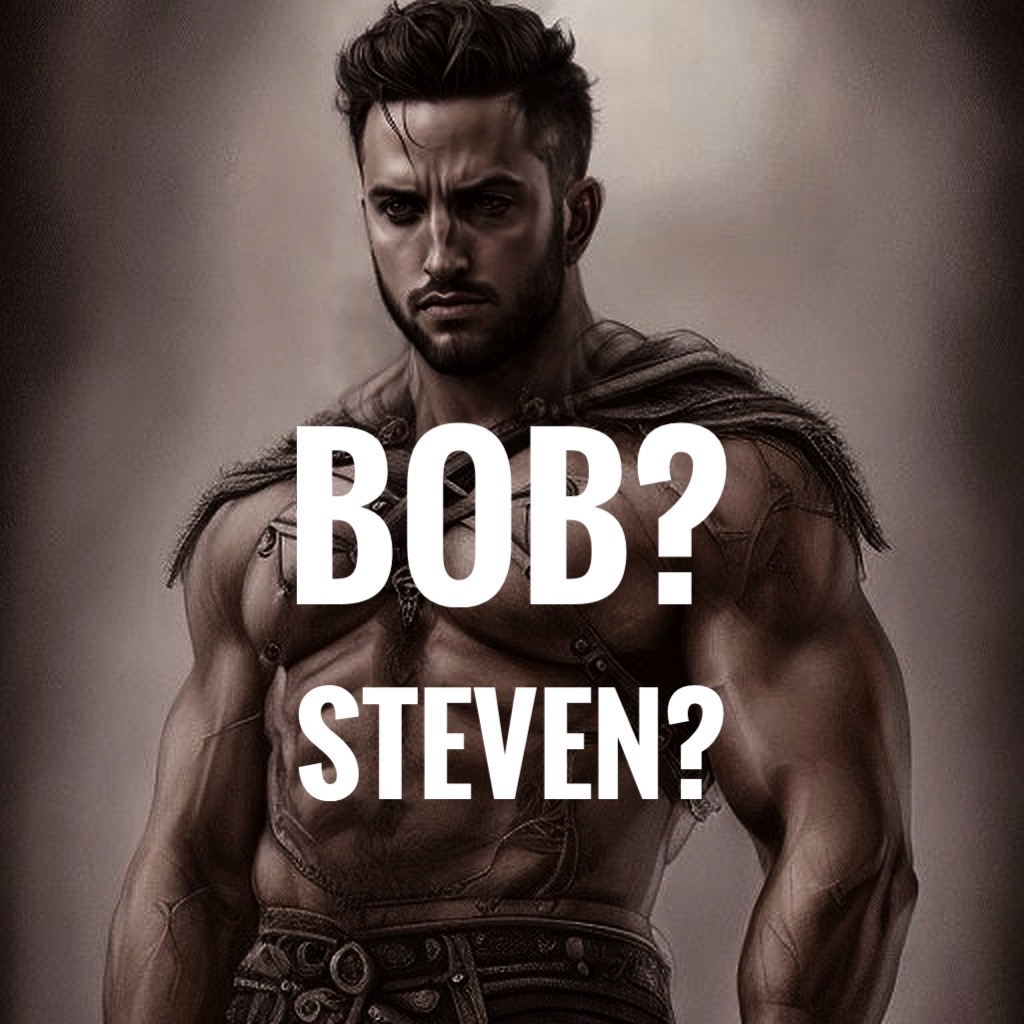
Why finding the perfect name can be a pain—in more ways than one!
Crafting compelling science fiction and fantasy stories is a monumental creative endeavor, and at times feels a bit like trying to assemble IKEA furniture without the instructions. As any genre fan knows, it’s often not just the worlds, creatures, and cultures that captivate us, but the names that breathe life into these imagined realities. From the regal syllables of “Galadriel” in Tolkien’s Middle-earth to the enigmatic “Neo” in The Matrix, character names in speculative fiction have a unique power. Yet, for authors, creating those names is a careful balancing act—one that’s often fraught with unexpected challenges, and more than a few headaches. This post delves into the quirks and obstacles authors encounter when naming characters in sci-fi and fantasy, and why getting it right is essential for immersive storytelling (and avoiding eye rolls).
The weight of a name
Names do more than identify a character—they evoke emotion, hint at culture, and shape first impressions. In science fiction and fantasy, where authors build worlds from scratch, names must do even heavier lifting. They need to reflect the logic of an invented culture, sound plausible within unfamiliar phonetics, and sometimes carry layers of meaning or foreshadowing. Readers may not realize how much thought goes into each syllable, but a clashing or ill-suited name can shatter immersion and pull readers out of the narrative faster than you can say “Barb the Barbarian.”
Striking the balance: originality vs. accessibility
One of the toughest challenges in naming genre characters is balancing originality with readability. Authors want their names to feel fresh—after all, no one wants their starship captain to sound like they belong in a neighboring fantasy franchise or the local bowling league. Yet, veering too far into uncharted linguistic territory can backfire. Names like “X’thraquon” or “Qyrlk” might seem alien and mysterious, but can trip up readers, slowing down the story and making characters hard to remember. On the other hand, a name that’s too familiar—say, “George” in a high-stakes intergalactic saga—might undercut the world-building effort (and leave readers wondering if he delivers pizza on the weekends).
Phonetic hurdles: pronunciation vs. complexity
A frequent obstacle for readers is the act of sounding out names that are exotic, long, or rife with unconventional letter combinations. When a name is overloaded with apostrophes, silent letters, or unfamiliar phonetic structures, readers may feel alienated or frustrated, unsure of how to say the name aloud or even in their heads. This challenge can break the narrative flow, pulling the reader out of the story as they puzzle over “how do you say Xyqzara?” Some might even mentally substitute a simpler nickname (“Call him Tim, it’s easier”), causing a disconnect from the author’s intentions. Conversely, names that are too simplistic can fail to convey the richness of a unique world. Striking the right balance—distinctive but not daunting—is a subtle art and sometimes feels like playing Scrabble with a blindfold on.
World-building and cultural consistency
In speculative fiction, every name is a clue to the world it inhabits. Authors often create entire naming conventions—prefixes, suffixes, or even unique alphabets—to give the sense of a living, breathing culture. Consistency is vital: if half the elven characters have melodious names but one is called “Steve,” readers might question the internal logic of the world (and possibly the author’s caffeine intake). Creating these naming schemes takes time and research. Some writers draw inspiration from real-world languages, blending sounds or structures, while others devise entirely new linguistic systems. The key is to make names sound as if they emerged organically from the cultures being portrayed, rather than being randomly assembled—because nothing ruins immersion quite like an elf named Gary.
The Tiffany problem: when authentic names break immersion
One of the most intriguing challenges in naming characters is known as “the Tiffany problem.” Coined by historian Sarah Woodbury, this term describes the disconnect that occurs when a name is historically accurate but feels out of place to modern readers. For example, “Tiffany” was a real medieval name, yet it sounds jarringly modern in a fantasy setting—even if it’s more authentic than invented names like “Hermione” or “Eowyn.” So, while Lady Tiffany of Camelot may have slain dragons, readers might imagine her slaying retail sales at the local mall. This challenge isn’t limited to “Tiffany;” names like “Wendy,” “Chad,” or “Madison” can have similar effects. (Apologies to Sir Chad, Slayer of Accounting Spreadsheets.)
Navigating the Tiffany problem
- Know your audience: Consider how your readers will perceive a name, not just its historical or linguistic accuracy. If your beta readers laugh out loud, you may have found your answer.
- Contextual clues: If you use a name that might feel out of place, provide subtle context or explanation within the story to help readers accept it. Or just lean into it and give Tiffany a flaming sword.
- Blend familiarity and novelty: Pair an authentic but surprising name with more expected ones or use it for a character whose uniqueness is part of the narrative.
- Embrace or avoid: Decide whether you want to challenge reader expectations or maintain seamless immersion. Both approaches can work, depending on your storytelling goals (and your tolerance for “Lord Madison” jokes).
The pitfall of stereotypes and clichés
Naming in genre fiction is rife with potential pitfalls. It’s easy to accidentally lean on stereotypes—using guttural sounds for “evil” races or choosing flowery names for “good” ones, for example. Not only does this risk reinforcing problematic tropes, but it can also make stories feel derivative. Similarly, genre conventions can lead to a sameness in naming: how many times have we met a “Zar” or “Thal” in space operas, or another “Arya”-like name in epic fantasy? Avoiding these clichés demands creativity and sometimes a willingness to break the rules of the genre (and maybe invent “Bobthar the Daring,” for irony’s sake).
Short names vs. long names: a balancing act
When inventing names, length is another important consideration. Short names, such as “Neo,” “Spock,” or “Arya,” are easy for readers to remember and pronounce. They don’t interrupt the reading experience and often become iconic (and easily shouted during cosplay conventions). However, they may lack the nuance or cultural resonance that longer names can provide. Longer names—think “Daenerys Targaryen” or “Thranduil”—can evoke a deep sense of history and otherness, enhancing world-building and character depth. But lengthy or complex names may pose hurdles for readers: they can be hard to recall, easy to confuse, or intimidating to pronounce (especially if you need a degree in linguistics just to say them). Successful authors often use a blend of both, sometimes introducing a formal long name alongside a shorter nickname for ease of use within the narrative (and for the sanity of audiobook narrators).
Methods for conjuring normal and meaningful names
- Build off existing names: Modify names from mythology, history, or other languages to suit your world, such as tweaking “Arthur” into “Arthuros” or “Arturon”—or just adding a random “z” for that sci-fi flair. “Arzur?” “Arthuz?” Hmm maybe be careful with the “z’s.”
- World-building context: Develop etymologies, root words, and naming conventions that fit the cultures or species in your setting. A desert tribe might have names inspired by sand, wind, or sun, and maybe one guy named “Dave” for plot reasons.
- Blend and fuse: Combine syllables from different words or names—mixing “Abraham” and “Daniel” to form “Abraniel.” Or “Bob” and “Thar” for “Bobthar,” your next space hero.
- Sound symbolism: Choose sounds that evoke desired qualities—harsh consonants for warriors, soft vowels for healers, and apostrophes for anyone who just wants to confuse the reader.
- Random generation and refinement: Use name generators to spark ideas, then adjust the output until it fits your world and character (or until your computer gives up).
- Meaning first: Start with a meaning (e.g., “hope,” “storm,” “freedom”) and construct a name that reflects it, subtly or overtly. Just beware “Hope Stormfreedom” isn’t already a superhero.
- Linguistic consistency: Establish a set of phonetic rules for a culture or species and create names that uniformly follow those guidelines.
Weighing the pros and cons
- Short names: Memorable, accessible, and easy to pronounce, but potentially lacking in gravitas or distinctiveness.
- Long names: Rich in culture, history, and uniqueness, but risk alienating readers if too convoluted or difficult to sound out (or if they need a glossary).
- A hybrid approach—offering a long formal name and a short nickname—often provides the best of both worlds, enhancing immersion while maintaining readability (and giving fans more options for tattoos).
Phonetics, pronunciation, and reader engagement
A name must roll off the tongue—or, at the very least, be pronounceable enough that readers don’t stumble over it with each encounter. Complex clusters of consonants or unusual character combinations can be daunting. Some authors include pronunciation guides or even phonetic spellings, but ideally, the name should be intuitive. If a reader dreads seeing a character’s name, that can erode their connection to the story. On the other hand, a well-crafted name can stick in the mind long after the book is finished (and possibly end up as someone’s Wi-Fi password). Testing names with friends or beta readers can help ensure they are not too intimidating and are pronounced as intended.
Names as storytelling devices
In speculative fiction, names often serve as subtle (or not-so-subtle) storytelling tools. They might hint at a character’s destiny, heritage, or hidden nature. For instance, a character in a dystopian future named “Hope” invites symbolism and expectation. But writers must walk a fine line—names that are too on-the-nose can feel heavy-handed, while names with relevant meanings in other languages might carry unintended connotations. This is especially tricky in our globalized world, where a name can mean something innocuous in one culture and something offensive or silly in another. (Pro tip: Google your invented name before you get too attached.)
Tools and techniques for inventing names
The process of inventing names is as varied as the writers themselves. Some use random generators, drawing from pools of sounds or syllables, then refine the results. Others start with a meaning or concept and work backward, crafting a name that fits. Many keep lists of real names from different cultures for inspiration, careful to adapt rather than appropriate. A common technique is to mix and match familiar sounds to create something that feels both novel and linguistically plausible. Sometimes names evolve organically as stories progress—what began as a placeholder can become perfect after a few drafts (or after a coffee-fueled late-night epiphany).
Conclusions: the invisible labor of names
While readers may not always notice the effort behind character names, the impact is profound. The right name can anchor a character in the imagination, evoke a sense of otherness or belonging, and add depth to the invented world. For sci-fi and fantasy writers, naming is an act of artistry, requiring linguistic playfulness, cultural awareness, and narrative intuition. The next time you’re swept away by a story, take a moment to appreciate the names that populate its pages—they’re the result of careful craftsmanship, countless revisions, and the age-old magic of storytelling. And remember: somewhere out there is a hero named Bobthar, waiting for his moment.
 Miah Sanchezmoe
Leave a comment